Luxa CO₂ is a next-generation fractional CO₂ resurfacing platform engineered for clinical precision, customizable performance, and consistent outcomes. Built to support both deep dermal remodeling and controlled superficial skin resurfacing, Luxa helps practices deliver transformative skin renewal with a modern, streamlined workflow.
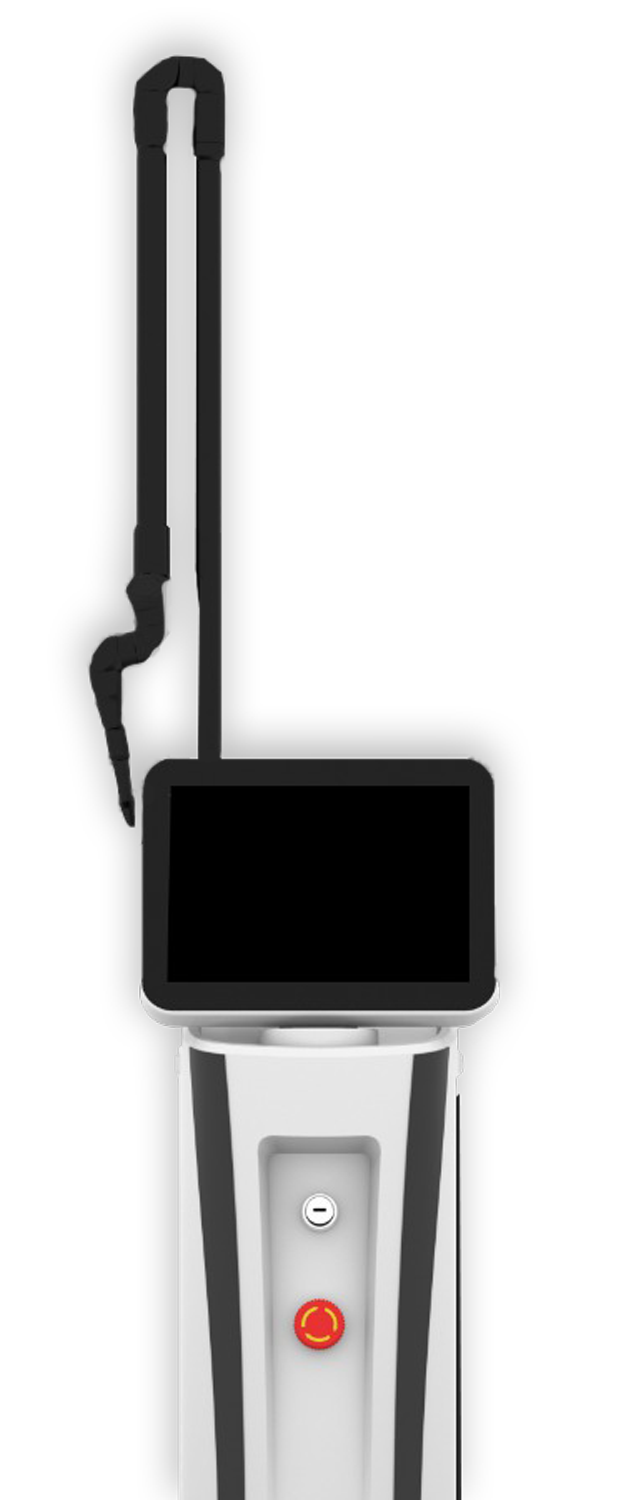
Luxa CO₂ Brings Gold Standard Fractional Resurfacing Into a Modern Workflow
Luxa CO₂ delivers controlled micro-ablation and deep thermal stimulation in a customizable treatment pathway that supports visible surface refinement and long-term collagen remodeling. Providers can tailor depth, density, and scanning patterns to match indication, skin type, and downtime goals with confidence.
The result is a more predictable resurfacing experience that elevates patient satisfaction and supports repeatable clinical standards across your team.
Why Practices Choose Luxa CO₂

Total Control for Every Skin Goal
Luxa CO₂ is a single platform with four distinct treatment applications:
- Advanced skin resurfacing
- Acne and surgical scar revision
- Laser surgical procedures
- Intimate rejuvenation
With adjustable parameters and intelligent controls, treatments are fully tailored by indication:
- Spot size and density
- Scan patterns, including randomized, flying spot, and center-out workflows
- Fusion fractional mode for dual-depth delivery
That range of customization across the face, neck, chest, and body means broader clinical utility and more revenue opportunities on a single, accessible platform.

Match the Mode to the Moment
Not every patient needs the same level of intervention. Luxa CO₂ gives providers independent light and deep fractional modes, each optimized for different clinical goals and recovery timelines.
Light fractional mode targets surface-level concerns with shorter recovery windows:
- Tone and texture refinement
- Fine lines and mild photodamage
- Maintenance and lighter skin goals
Deep fractional mode drives energy further into the dermis for more aggressive remodeling:
- Acne scarring
- Deeper wrinkles and structural irregularities
- Significant laxity and tissue correction
With light and deep fractional mode options, providers can scale treatment intensity by indication, patient tolerance, and scheduling without switching platforms or compromising on precision.

Cleaner Energy, Greater Confidence
High peak power paired with ultra-short pulse durations helps limit unwanted thermal diffusion. Providers gain more precision around sensitive areas and more control over treatment intensity for consistent outcomes across the face, neck, chest, and body.
Powerful results without unnecessary collateral damage.


One Pass. Multi-Layer Impact.
Most fractional CO₂ systems treat in layers. Luxa treats in synergy.
Fusion Mode helps providers address surface texture and deeper structural concerns in a single customized pathway.
This approach supports:
- A next generation approach that combines deep dermal remodeling with controlled superficial resurfacing
- Clinically designed to improve the appearance of acne scars, refine skin texture, and deliver more comprehensive, high efficiency results in a single treatment
- Dual-depth acne scar and surgical scar remodeling
- Robust collagen stimulation
- Visible refinement of tone and texture
It’s not just fractional, it’s comprehensive resurfacing.
The Science Behind Fractional CO₂ Resurfacing
Fractional CO₂ laser resurfacing remains the benchmark for visible texture renewal because it pairs immediate epidermal refresh with deep dermal remodeling. By treating skin in a fractional pattern, Luxa CO₂ creates precise micro-columns while leaving surrounding tissue intact. This supports more efficient healing and reduced overall downtime compared to traditional fully ablative systems.
CO₂ energy is highly absorbed by water in the skin, enabling controlled micro-ablation at the surface plus thermal stimulation in the dermis.
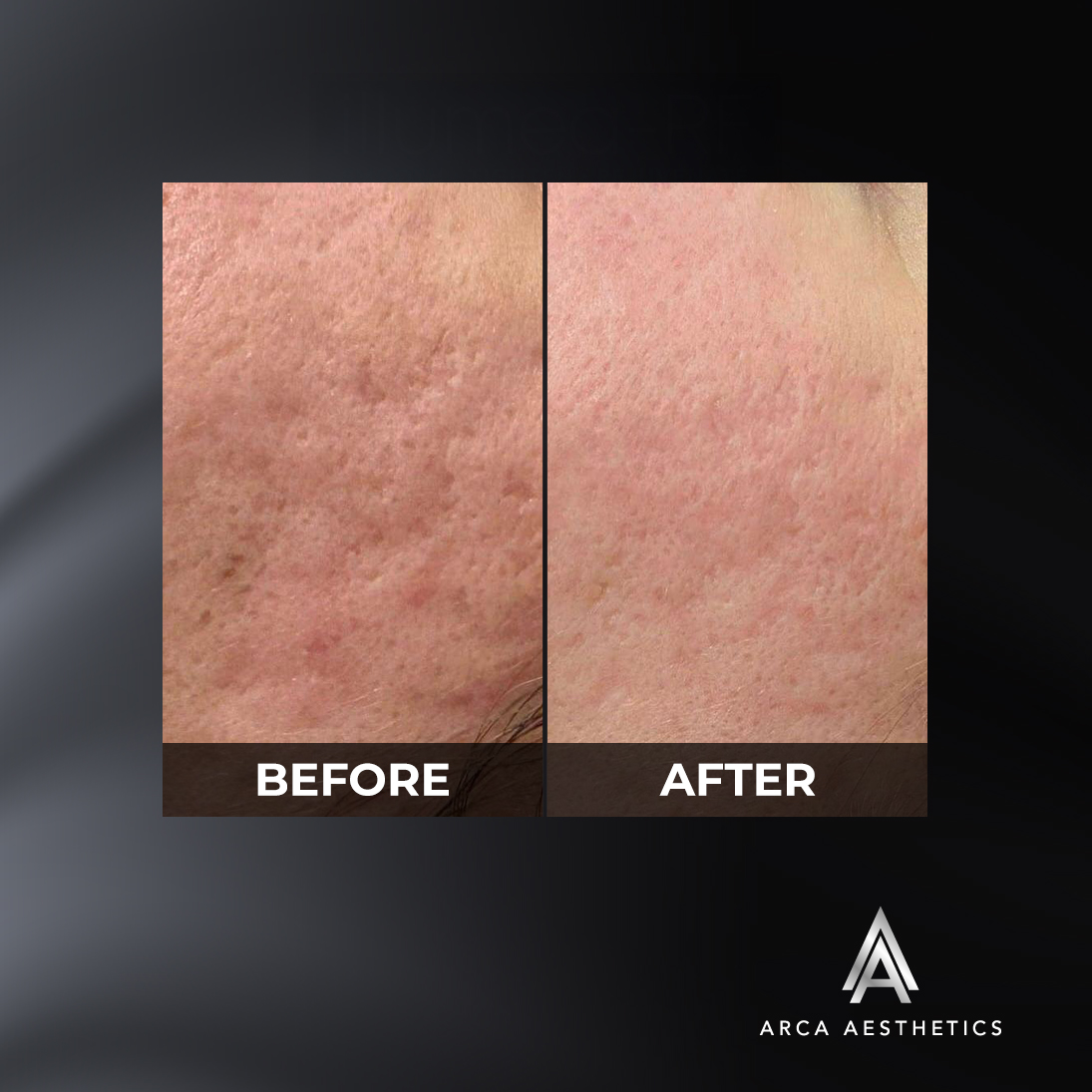
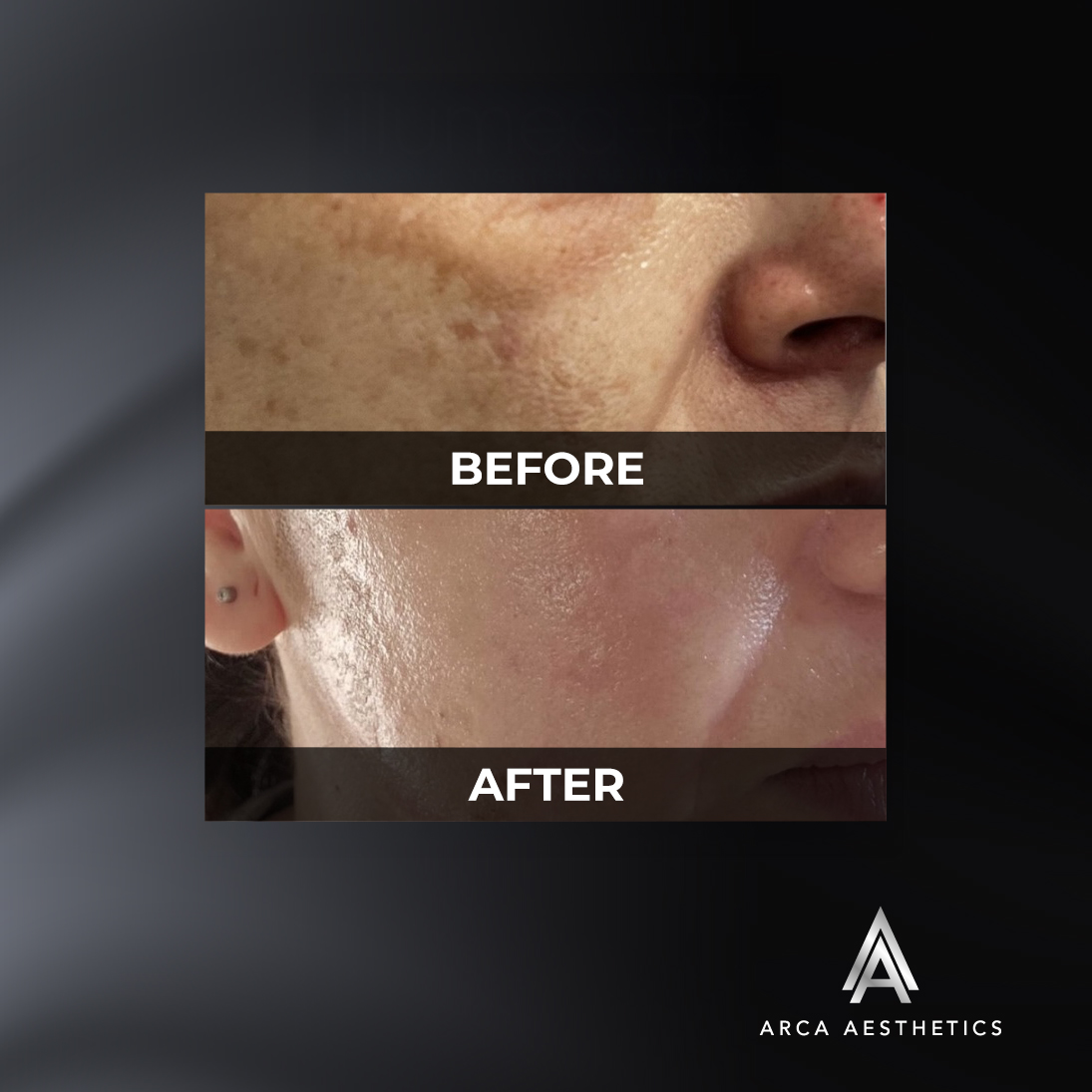
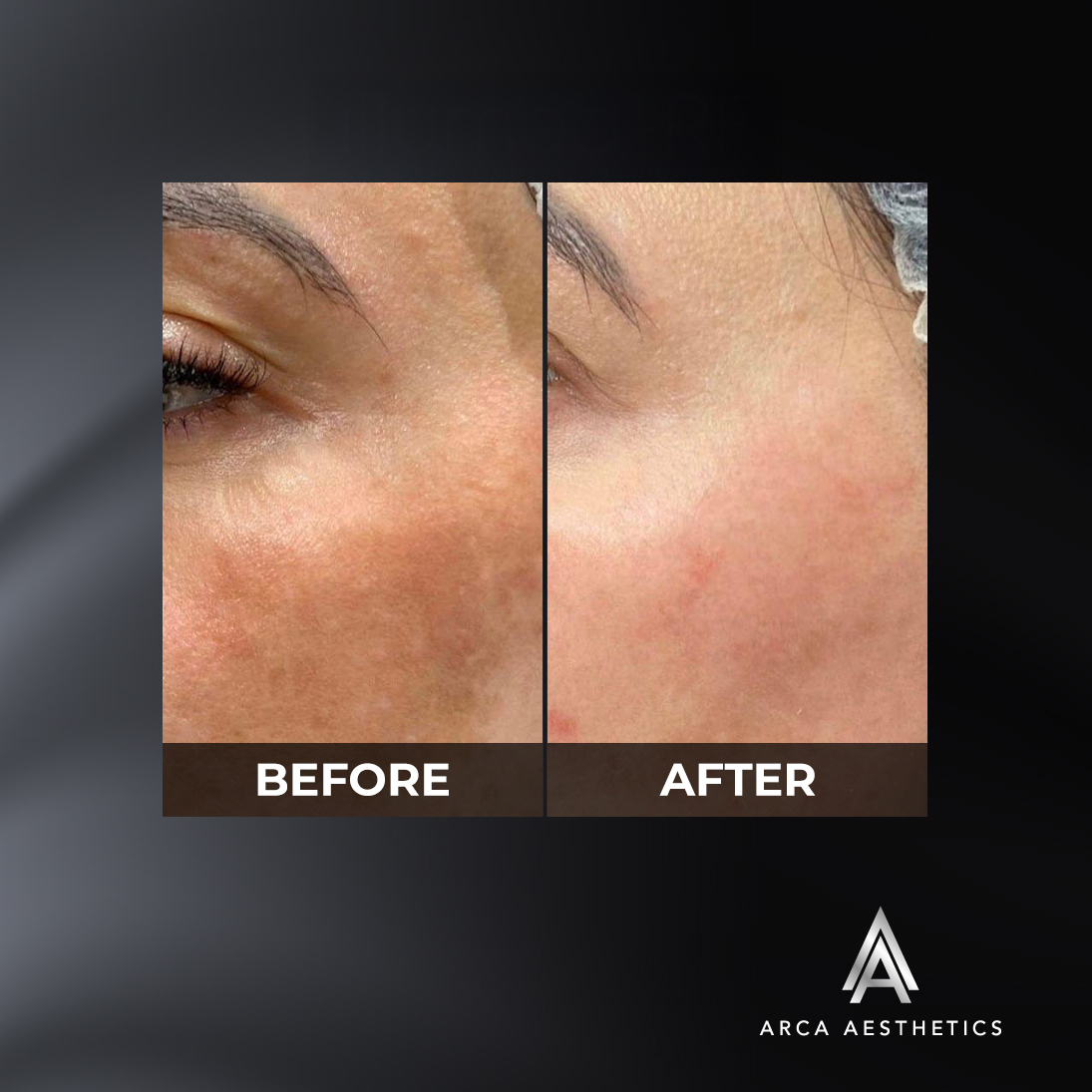
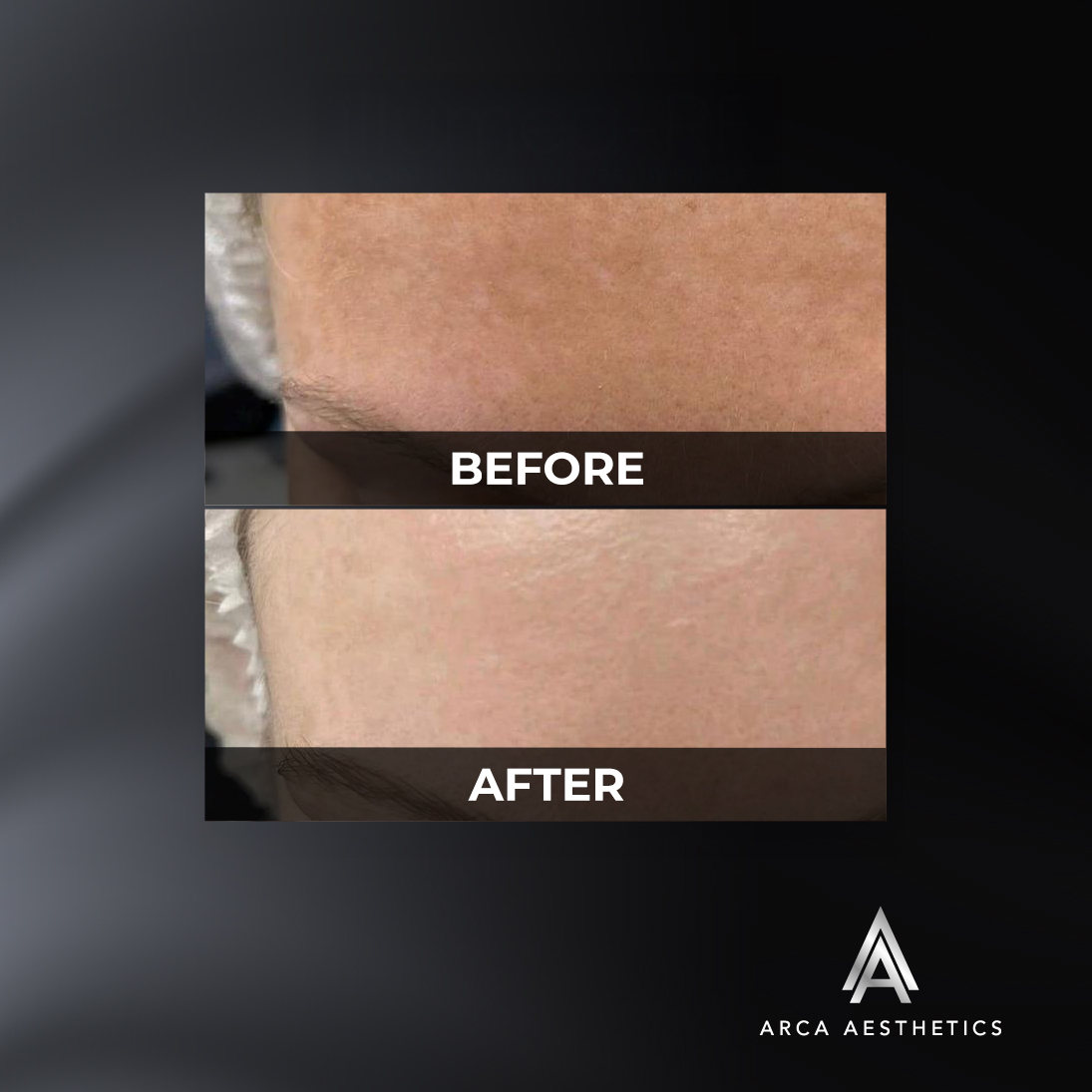
The result: Progressive improvement in texture, tone, wrinkles, and scar appearance over time.
Luxa CO₂ creates thousands of microscopic treatment columns that selectively remove damaged epidermal tissue in a precise fractional pattern. Untreated tissue around each column helps speed re-epithelialization and supports predictable recovery windows.
Clinical Implication
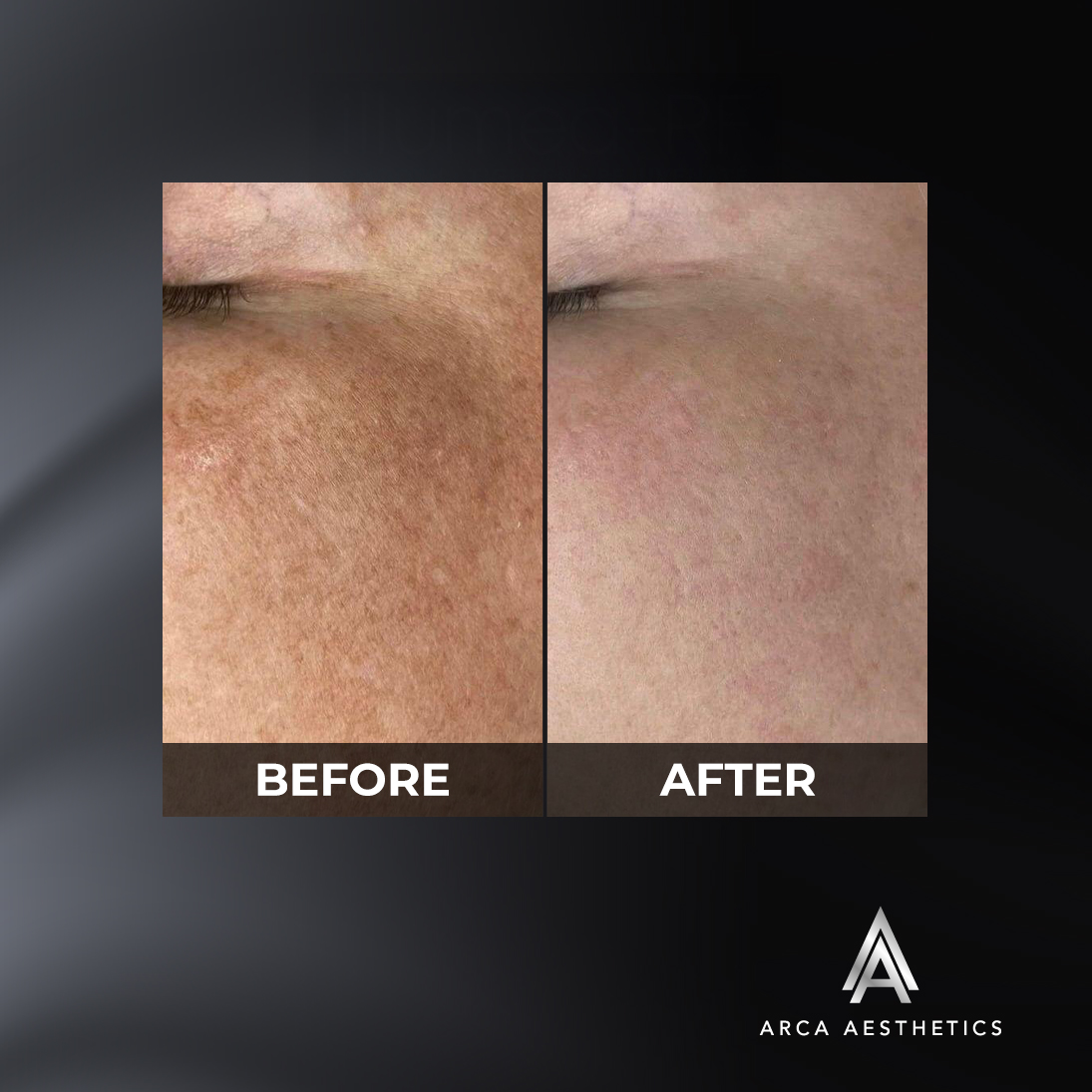
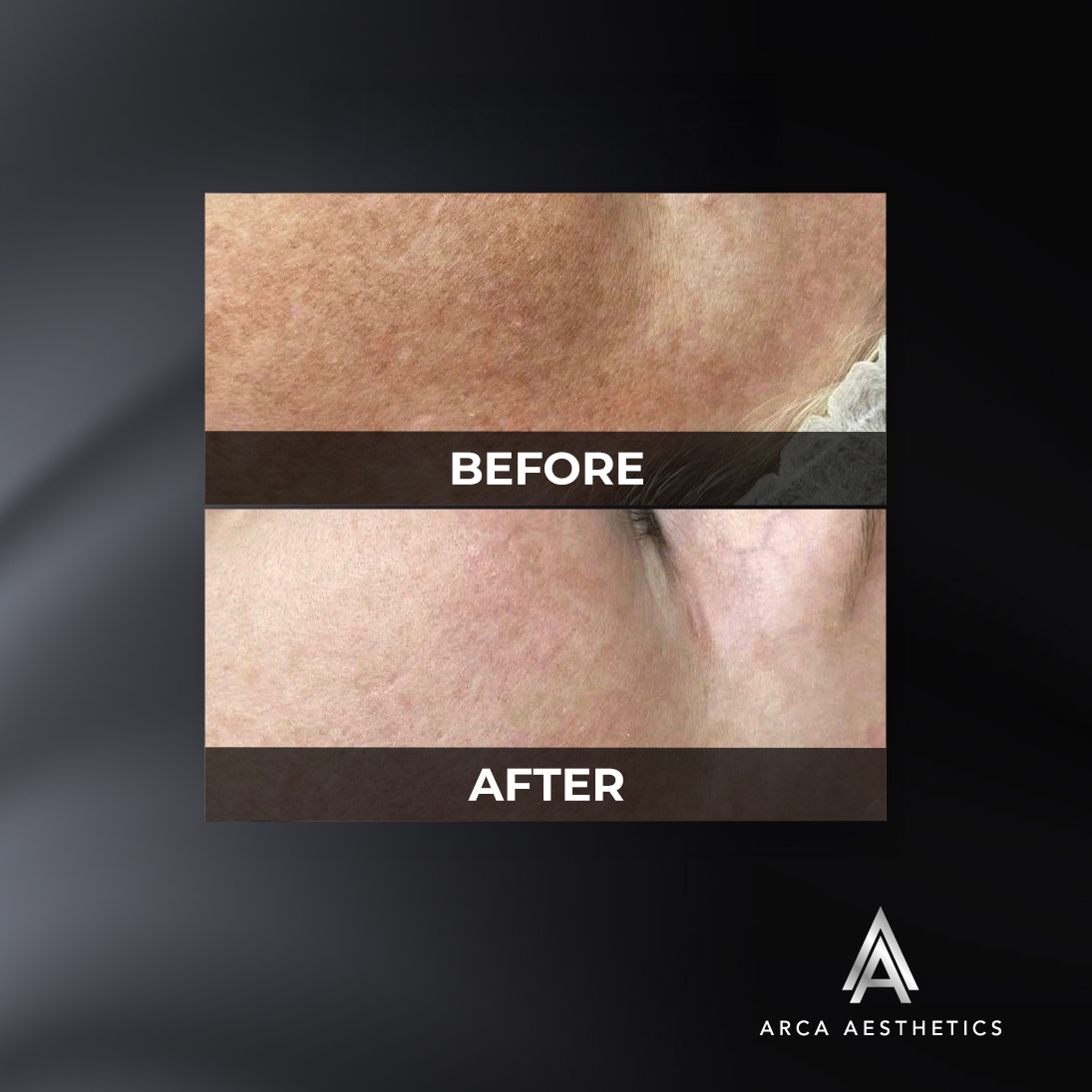
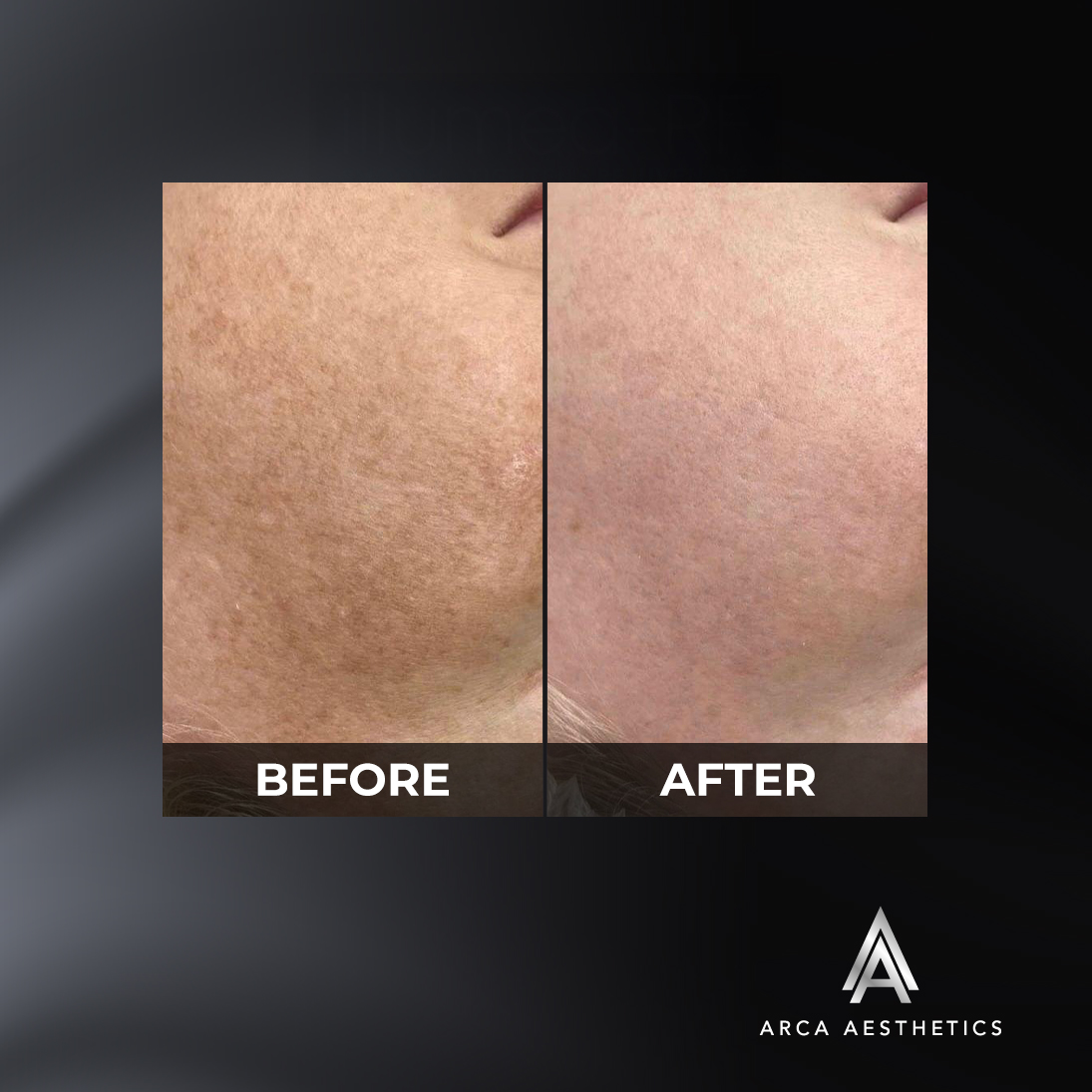
Fractional micro-ablation supports visible surface changes without fully ablating the entire treatment area. Providers can align intensity with goals such as fine lines, photodamage, texture irregularities, and pigment concerns.
What It Improves
- Surface texture and roughness
- Tone irregularities and visible photodamage
- Fine lines and etched-in wrinkles
- Pore appearance in appropriate candidates
As CO₂ energy penetrates beyond the surface, controlled thermal stimulation activates the dermal repair response. This drives collagen contraction and signals new collagen and elastin formation, improving structure and firmness over weeks to months.
Why It Matters
Dermal remodeling is the mechanism behind long-term tightening and acne scar treatment. As a laser platform, Luxa CO₂ supports improvement in deeper static wrinkles, acne scars, and surgical scar irregularities through progressive tissue renewal. It delivers results that topical treatments and non-ablative options cannot reliably achieve.
Results Progression
- Early improvement as the surface renews
- Ongoing firming as collagen remodels
- Continued refinement over several months
Luxa CO₂ enhances traditional resurfacing through controllable parameters that standardize outcomes while tailoring recovery expectations. Providers can customize delivery by concern, zone, and skin condition to balance correction with downtime.
Controls Providers Can Adjust
- Spot size and density: Controls coverage intensity and healing load
- Randomized / flying spot / center-out scan patterns: Standardizes energy distribution across zones
- Light, deep, and fusion fractional modes: Matches treatment depth to indication and downtime goals
- Surgical and intimate pathways: Expands clinical utility beyond facial resurfacing
Treatment Efficiency
Average treatment times range from 10–30 minutes, depending on area and intensity, supported by a streamlined touchscreen interface and intelligent presets for repeatable clinical standards. Legacy-level outcomes with modern workflow simplicity.
Luxa Skin Resurfacing: FAQs
Luxa CO₂ supports treatment of a wide range of indications, giving providers flexibility to address multiple concerns within a single platform:
- Fine lines and wrinkles
- Acne and surgical scars
- Uneven tone and hyperpigmentation
- Sun damage and age spots
- Enlarged pores
- Mild laxity and crepey texture
- Rough or dull skin texture
Strong candidates are patients in good overall health with moderate to severe skin concerns, including:
- Acne scarring
- Significant photodamage
- Deeper rhytids
Treatment settings are customized based on skin type, Fitzpatrick classification, and indication. A thorough intake and consultation allow providers to identify contraindications and align expectations before treatment.
A standard treatment session includes a patient consultation and skin assessment, topical numbing, customized laser delivery based on indication and goals, and immediate post-care with cooling and aftercare guidance.
Treatment times typically range from 10–30 minutes, depending on the area and intensity. Providers can adjust parameters in real time to maintain precision across zones.
Most patients report mild to moderate discomfort, which is effectively managed with topical anesthesia applied before treatment. Fractional delivery and provider-controlled parameters help keep the experience tolerable across treatment areas and intensities. Setting expectations during consultation supports patient confidence and satisfaction.
Recovery varies by treatment depth and patient skin condition. Here is a general progression that providers can communicate to patients:
- Days 1–3: Erythema and edema as the inflammatory response peaks
- Days 4–7: Epidermal shedding and peeling
- Week 2: Visible surface improvement and tone refinement
- Weeks 3–4: Continued healing and texture normalization
- Months following: Ongoing dermal remodeling improves firmness and elasticity
Providers can adjust intensity to align recovery windows with patient schedules and tolerance.
Pre-treatment: Patients should avoid sun exposure for 2–4 weeks prior, discontinue retinoids and exfoliants at least one week before, and disclose all medications and active skin conditions at consultation.
Post-treatment: Protocols should emphasize barrier support, consistent hydration, SPF 30+ daily, and avoiding any manipulation of the treated skin. Clear written aftercare instructions support compliance and reduce the risk of adverse outcomes.
Many patients achieve meaningful improvement after a single session, particularly for texture and photodamage. More advanced indications, such as deep acne scarring or significant laxity, may benefit from a series of treatments.
Providers can structure treatment plans accordingly and set appropriate timelines: initial surface changes within the first two weeks, with continued collagen remodeling delivering progressive improvement over several months.
Results are durable, though ongoing aging and photoexposure will continue to affect the skin. Maintenance protocols and a consistent skincare regimen, including daily SPF, help sustain outcomes and support long-term patient retention.
Luxa CO₂ integrates well into comprehensive treatment plans. It is commonly sequenced with injectables, regenerative therapies like RF microneedling, and other energy-based modalities. Combination timing should be planned to support safe healing and optimize overall outcomes.

Bring Luxa Fractional CO₂ Laser Resurfacing to Your Practice
Your patients are already asking for CO₂ laser treatments for wrinkles, scarring, and skin renewal. Luxa gives you the platform to deliver it with confidence: dual-depth capability, cleaner pulse control, and flexible customization in one modern system.
Unlike traditional CO₂ systems that require significant capital commitment, Luxa is available through accessible, flexible pricing options. Whether you purchase traditionally or leverage Arca’s flexible model, more practices can offer gold-standard resurfacing without restrictive financing structures.
Submit the form to receive Luxa CO₂ details and pricing options.